
Impressionism: History and Methods Part 1 - Cybele von Redern
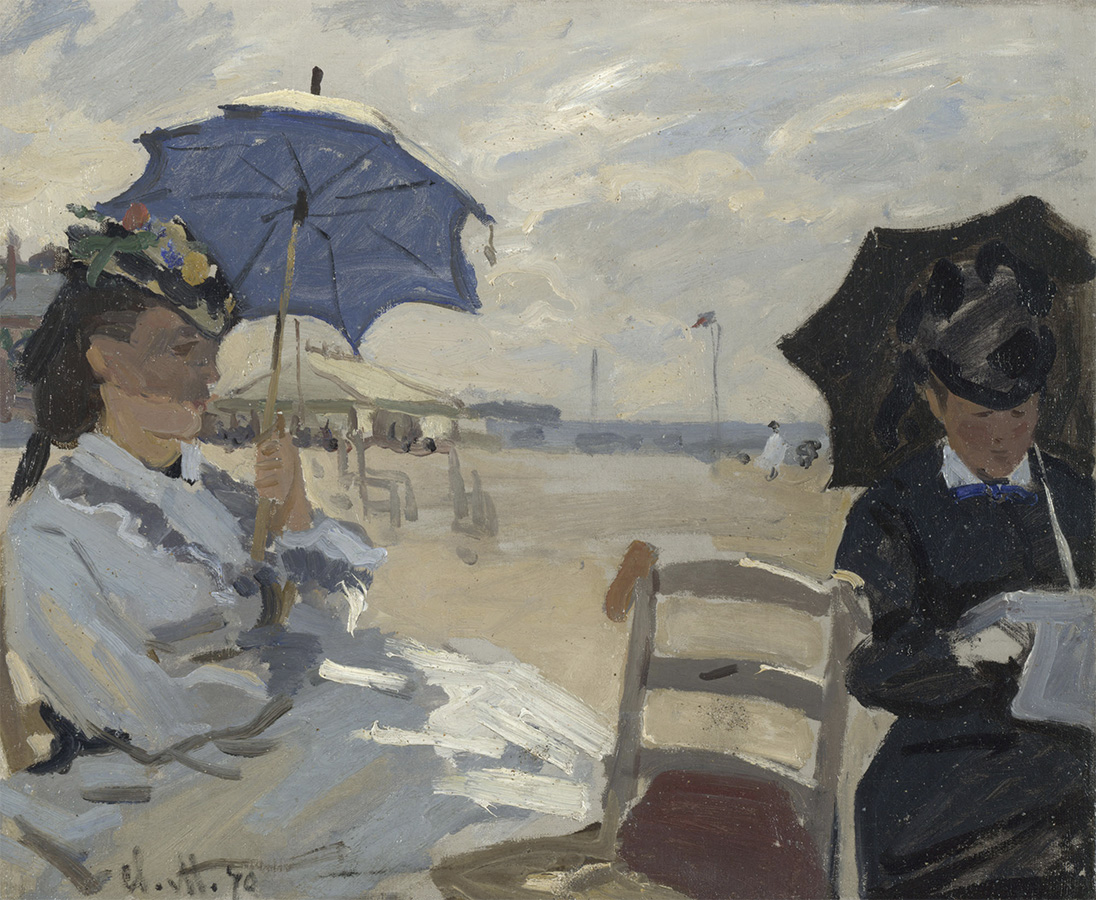

In 1863, the French Académie des Beaux Arts refused more than 3,000 artworks from its Salon de Paris, unleashing a protest among younger and more experimental artists like Edouard Manet.
This prompted Emperor Napoleon III to organize a parallel show for the rejected works—the Salon des Refusés.
By 1874, the first Impressionist exhibition, comprised of the works of the rejected artists, opened at the studio of photographer Félix Nadar and included Claude Monet’s famed Impression, Sunrise, giving the painterly movement its name.
This 6-week course traces the history of Impressionism from the Salon des Refusés to the end of the post-Impressionist phase, covering its fundamental history and considering new scholarship about the artists’ inspirations and techniques. Part II of this course will be offered from March through May.

Cybele Gontar von Redern
Cybèle Gontar is an American art historian with an MA in the History of European Decorative Art & Design from Parsons School of Design/Cooper-Hewitt, and M.Phil/Ph.D. from the Graduate Center of the City University of New York, who then returned to New Orleans and opened Degas Gallery.
Contact Us
Fields marked with an * are required