
Color & Perception (FULL) - Ben Hamburger

No class Nov 25 and Dec 2
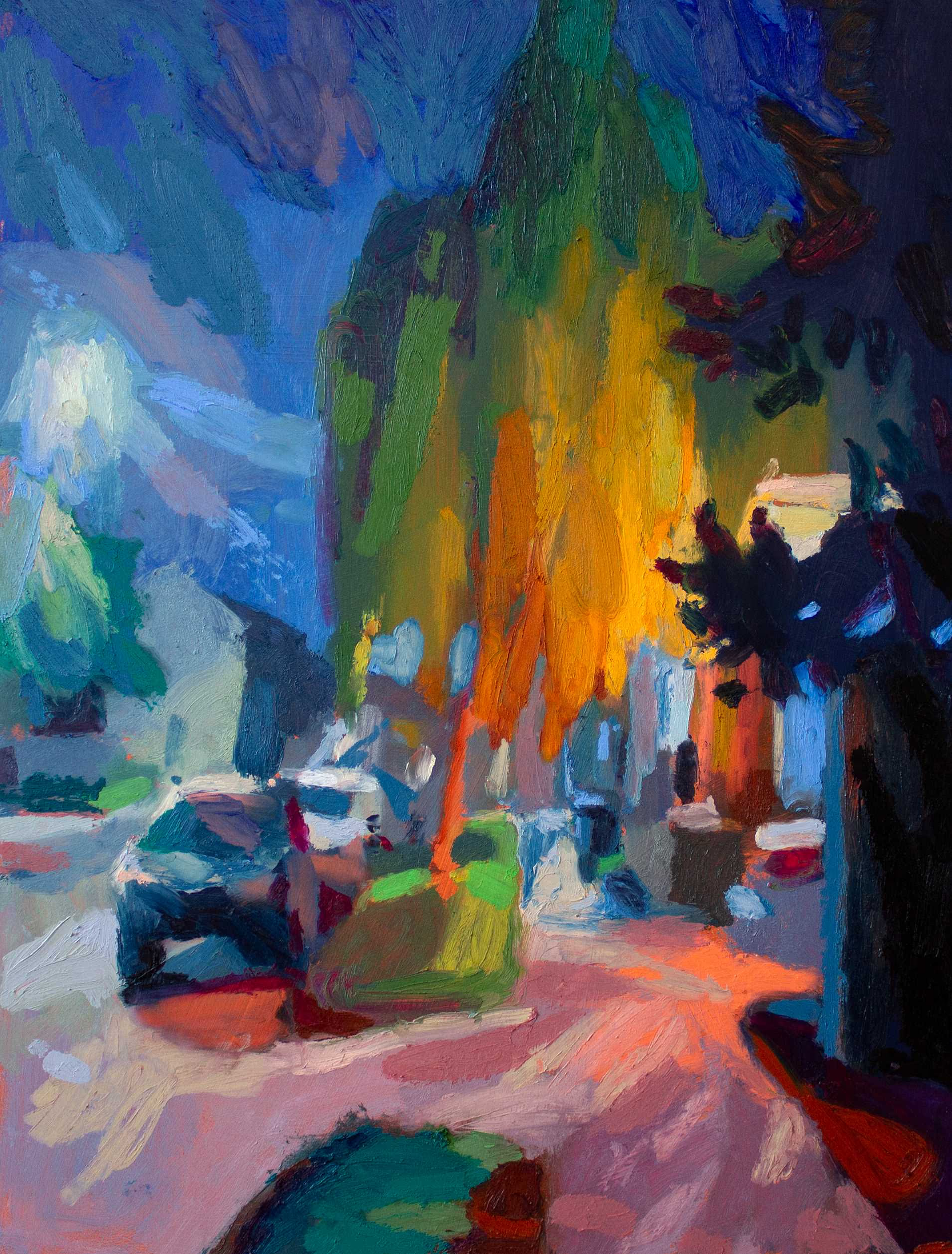
Color is fundamental to any kind of painting, but it is also one of the most complex, challenging, and personal aspects. During this class, we will develop our skills in perceiving, mixing, and using color with sensitivity. During the first section of the course, we will work on a series of observational still-life-based exercises that challenge us to engage with specific aspects of color. Later in the course, we will open things up and students will work on more self-directed projects implementing the color concepts we are discussing in class. While this is not a traditional color theory class, these projects will expand our personal color vocabulary, help us to observe subtle color relationships, and create mood and atmosphere through strategic use of color. This class is for intermediate and advanced painters only. Students should have some drawing, painting, and color theory experience. It is open to both acrylic and oil painters.
Suggested Materials: All materials are flexible and up to personal preferences. Feel free to reach out with any questions.
Paint: Students are welcome to use either acrylic or oil paint. Please have a full palette of colors that you have on hand. Below is a suggested palette that I will generally use for demonstrations. Feel free to use the palette you have or experiment with other colors, but try to limit your palette to no more than 9 colors.
• Hansa yellow 37ml
• yellow ochre 37ml
• Quinacridone Red 37ml (alizarin and cadmium red are supplemental options)
• ultramarine blue 37 ml
• cerulean blue hue 37 ml (Gamblin brand, other cerulean colors are not as potent. Can be replaced with a phthalo as well.)
• burnt sienna 37ml
• raw umber 37ml
• titanium white 150 ml
Paint Brushes
• An assortment - Filberts, Flats, and or rounds: #’s 2, 4, 8, 12 Solvent/Medium (if using oil paint):
• Refined Linseed Oil –small bottle/8oz (painting medium)
• Gamsol, terpenoid, or other odorless oil painting solvent Painting Surfaces:
• Several small to medium sized canvases or panels, 8x10in - 12x16in, up to individual preference.
• Canvas pad, mixed media sketchbook, or scrap substrate for small studies. Any surface you have and feel comfortable working on will be fine.
o Canson Canva Paper Pads 9" x 12" will work great
• Sketchbook for notes/sketching
Other Supplies
• 1 small plastic squeeze dropper bottles for painting medium
• Palette knife
• Palette Options (any of the following 11” x 14” or larger):
o disposable paper palette pad
o mirror
o wooden palette
• Silicoil or other brush cleaning jar (a regular jar with lid will work, but something with a place to wipe brushes is preferable)
• latex gloves
• cotton rags, old t-shirts, or heavy duty paper towels
• Drawing Pencils (and any other drawing materials preferred)
• Masking tape
• Box to carry everything

Ben Hamburger
Ben Hamburger is a painter and art educator based in New Orleans, LA. Hamburger holds a bachelor’s degree in visual arts from Eckerd College and a Master of Fine Arts Degree in Community Arts from Maryland Institute College of Art
Contact Us
Fields marked with an * are required